
Spanning 2,700 km, From Shanghai to Jilin | This Is How We Collect the “Data Genes” for AI Air Conditioning
Prologue
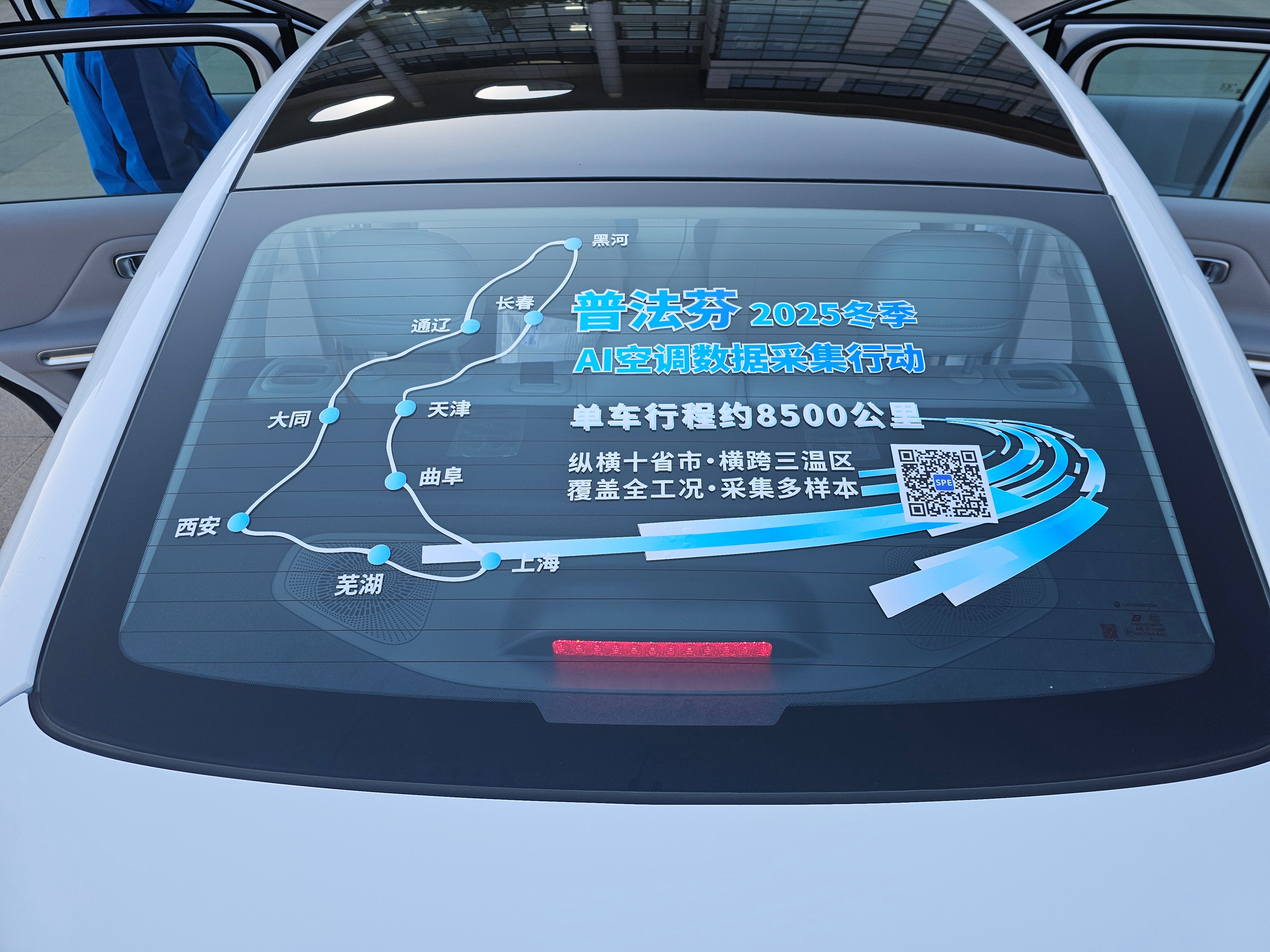
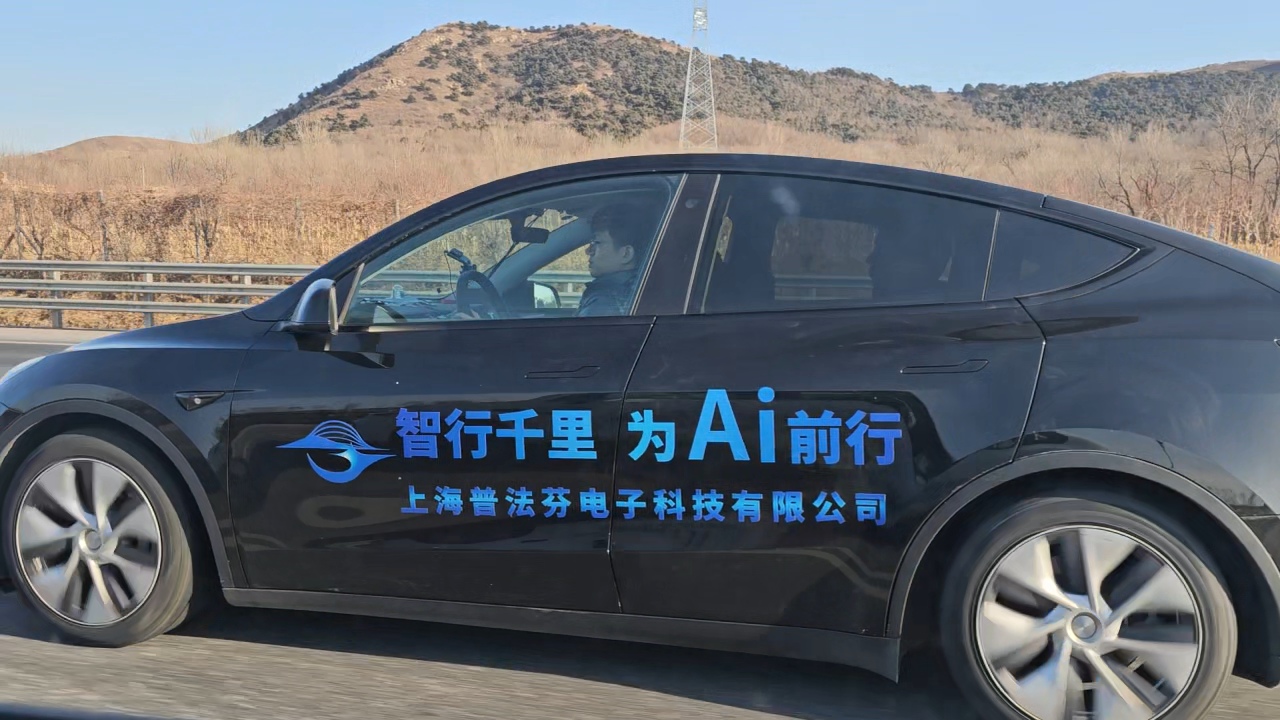
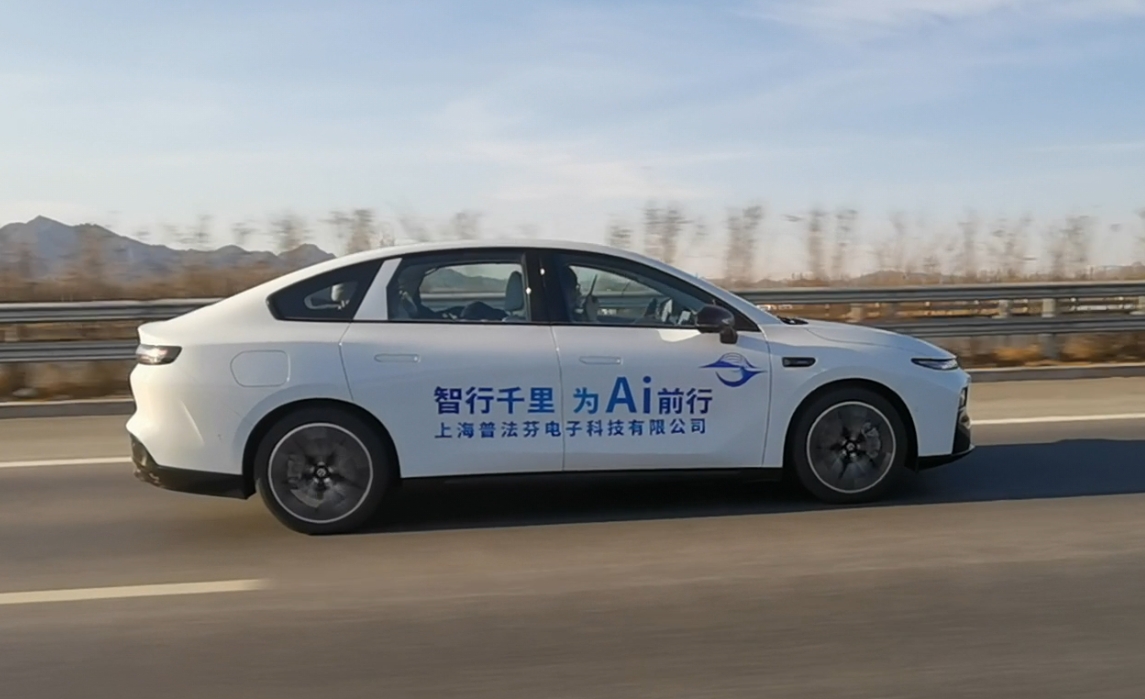
After half a year of meticulous planning, this week our AI team completed a north–south "climate-zone crossing journey"—setting off from Shanghai, passing through Qufu and Tianjin, and reaching the halfway destination of Changchun, Jilin, covering a total distance of over 2,700 km. Using two test vehicles—a Leapmotor and a Tesla—we conducted a week-long real-vehicle data collection on winter multi-passenger, multi-climate-zone air conditioning comfort and personalized behavior.
Why Travel So Far?
Because true automotive air conditioning comfort must withstand the test of climate.
By selecting Leapmotor and Tesla, we cover both domestic and international user groups, collecting interaction data from different people under varying conditions to make the AI model’s reasoning and learning more robust and generalized.
Why Conduct Long-Distance Collection?
True comfort requires adaptation to different climates. This route spans the damp Jiangnan region, the crisp and cold North China, and the extreme cold of Northeast China, enabling us to gather user habits in air conditioning usage under varying temperatures, humidity levels, and climatic conditions. This lays a solid data foundation for the "climate adaptation" of AI air conditioning.
Why Are We Committed to "Real-Vehicle, Real-Environment" Collection?
Air conditioning comfort is not a static concept—it is a dynamic, scenario-specific science marked by temporal and spatial imprints. The same person’s definition and perception of "comfort" and even "pleasure" may differ entirely under varying humidity, temperature, and sunlight conditions.
"Data is the new oil, data is the fuel for AI." — Fei-Fei Li, "Godmother of AI"
Through this long-distance collection, we are able to:
Capture real trajectories of air conditioning adjustments in both transient and steady states.
Record users’ gradually shifting comfort preferences during long-distance driving.
Validate the system’s adaptive capabilities under different external environments.
What Did We Collect?
Cloud-side data, human physiological characteristic data, and vehicle thermal management data related to air conditioning.
Analysis of changes in air conditioning operation behavior and underlying logic during short and long-distance driving.
Differences in comfort preferences among users from different regions.
Scenario-based operations such as cold/hot starts, urban traffic congestion, nighttime defogging with full occupancy, and departure from heated garages.
This data will be integrated with our existing datasets to train and optimize the AI air conditioning model.
Data on the Road, Intelligence Evolving
This collection journey from Shanghai to Jilin is not just a technical practice—it is a Long March on the path of intelligent exploration. We believe that truly intelligent air conditioning should not only learn from "people" but also understand "weather," perceive "geography," and integrate into "the journey."
Intelligence should not grow only in laboratories—it must take root in the real world. From Shanghai to Jilin, what we collect is not just data, but also real, comfortable journeys across the vast land of China. The evolution of AI air conditioning—we are earnestly writing its story...